
Power systems today are under more pressure than ever. Industries need electricity that is not just available, but fast, stable, and predictable. A short dip in voltage or a few seconds of downtime can mean lost revenue, damaged equipment, or broken trust. This is where industrial grid energy solutions come in. They act like shock absorbers for the power grid, smoothing out bumps, handling sudden demand, and keeping operations running without interruption. As energy demand grows and grids become more complex, smart energy storage and power management are no longer optional they are essential.
What Are Industrial Grid Energy Solutions?
Industrial grid energy solutions are systems designed to manage, store, and deliver electricity reliably across large-scale and mission-critical operations. They combine hardware, software, and energy storage technologies to balance supply and demand in real time.
Think of them as traffic controllers for electricity. When power demand spikes, they release stored energy. When supply exceeds demand, they store the excess. Modern grid energy storage solutions go beyond traditional batteries and include advanced technologies like Graphene supercapacitors that respond almost instantly to grid changes.
These solutions play a central role in industrial energy storage, grid-scale energy storage, and overall power grid energy solutions.
Why Industrial Grid Energy Solutions Matter Today
Energy systems are changing fast. Renewable power is growing, electric vehicles are adding new loads, and aging grids are being pushed beyond their original design limits. At the same time, industries expect zero downtime and tighter control over energy costs.
Industrial grid energy solutions help bridge this gap. They stabilize fluctuating power, protect sensitive equipment, and support cleaner energy sources. Without them, grids become fragile, costs rise, and reliability drops. In short, they keep modern industry moving when the grid alone cannot keep up.
Key Challenges in Industrial and Grid-Scale Power Systems
Grid instability and peak load stress
Power grids were not built for today’s rapid load swings. Sudden demand spikes can cause voltage drops or frequency issues. These moments of instability are like potholes on a highway hit enough of them, and damage is inevitable. Grid stability solutions help smooth these peaks and protect connected systems.
Power outages and downtime costs
Even short outages can be expensive. A few minutes of downtime can halt production lines, disrupt telecom networks, or knock data centers offline. Many facilities now focus on Preventing downtime by adding fast-response energy storage that steps in before backup generators even start.
Aging infrastructure and maintenance risks
Much of today’s grid infrastructure is decades old. Wear and tear increase maintenance needs and failure risks. Industrial power solutions that reduce stress on equipment can extend system life and lower long-term maintenance costs.
Types of Industrial Grid Energy Solutions
Battery energy storage systems (BESS)
BESS are the most common form of grid-scale energy storage. They store electricity chemically and release it when needed. These systems work well for longer-duration storage, load shifting, and backup power. However, they have limits when it comes to rapid cycling and response speed.
Supercapacitor-based energy storage
Supercapacitors store energy physically rather than chemically, allowing them to charge and discharge in seconds. Supercapacitor batteries are ideal for high-power, short-duration needs like frequency control and voltage support. They act like sprinters fast, powerful, and reliable.
Hybrid storage systems (batteries + supercapacitors)
Hybrid systems combine the strengths of batteries and supercapacitors. Batteries handle long-duration energy needs, while supercapacitors manage fast bursts. This pairing improves efficiency, extends battery life, and creates a more flexible energy storage for power grids.
On-site generation and backup systems
On-site systems reduce dependence on the central grid. Solutions like solar plus storage or Off-grid power systems allow facilities to operate independently during outages or peak demand periods, improving resilience and energy control.
Benefits of Advanced Grid Energy Solutions for Industry
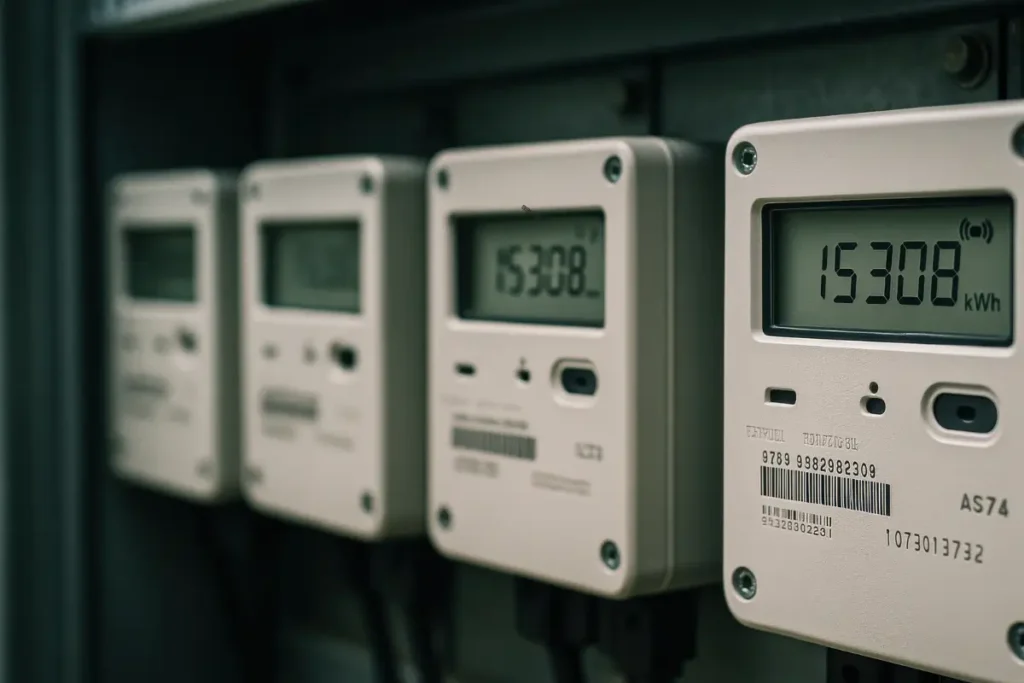
Advanced industrial energy storage systems offer more than just backup power. They lower energy costs through peak shaving, improve reliability, and support renewable integration. Technologies highlighted in the Benefits of graphene tech show how faster response times and longer lifespans reduce operational risk. Over time, these benefits translate into better performance, fewer disruptions, and stronger energy security.
Role of High-Performance Energy Storage in Grid Stability
Fast response and frequency regulation
High-performance storage reacts in milliseconds. This speed is critical for keeping grid frequency stable, especially when renewable output changes suddenly. It’s like having a reflex instead of a delayed reaction.
Peak shaving and load balancing
By storing energy during low-demand periods and releasing it during peaks, industrial power management systems reduce strain on the grid. This lowers demand charges and helps utilities avoid costly infrastructure upgrades.
Backup power and ride-through protection
During short disturbances, energy storage can “ride through” the event without switching to generators. This seamless transition protects sensitive equipment and keeps operations uninterrupted.
How Graphene-Enhanced Storage Improves Industrial Energy Systems
Faster charge and discharge cycles
Graphene-enhanced systems can move energy in and out at incredible speeds. This makes them perfect for applications where every second counts, such as grid stabilization and power quality control.
Longer operational lifespan and lower degradation
Unlike traditional batteries, graphene-based storage handles frequent cycling with minimal wear. This means fewer replacements and lower lifecycle costs for grid infrastructure solutions.
Improved safety and thermal performance
Better heat management reduces the risk of overheating and failure. Safer systems mean less downtime, simpler maintenance, and greater confidence in long-term operation.
How to Choose the Right Industrial Grid Energy Solution
Assessing power demand and load profiles
Start by understanding how and when energy is used. Identifying peaks, valleys, and critical loads helps match the right storage technology to real needs.
Evaluating response time and cycling needs
Some applications need instant response, while others focus on longer energy delivery. Choosing the wrong system is like using a marathon runner in a sprint it works, but not well.
Considering total cost of ownership
Upfront costs matter, but long-term expenses matter more. Maintenance, lifespan, efficiency, and downtime risk all factor into the true cost of industrial grid energy solutions.
Conclusion
Reliable power is no longer just about supply it’s about control, speed, and resilience. Industrial grid energy solutions bring these elements together, helping modern energy systems adapt to growing demand and increasing complexity. By combining smart storage, fast-response technologies, and thoughtful system design, industries can build power systems that are not only reliable today but ready for the future. The result is a grid that works smarter, lasts longer, and keeps operations running when it matters most.