
The Improve Power Grid Stability is a critical question for modern energy systems, as the reliability and efficiency of electricity delivery to homes, businesses, and industries depend on it. With the growing demand for renewable energy sources like solar and wind, power grids must evolve to manage these intermittent sources while maintaining a consistent power supply. This article will explore how to improve power grid stability, the factors that influence it, and the practical solutions available to enhance grid performance in the face of modern challenges.
What is Power Grid Stability?
Power grid stability refers to the ability of an electrical grid to maintain a constant and balanced supply of power despite fluctuations in demand or generation. A stable grid ensures that electricity remains available at the right voltage and frequency, preventing power outages, equipment damage, and system failures.
There are three main types of grid stability:
- Frequency Stability: This is the ability of the grid to maintain a consistent frequency (usually 50 or 60 Hz) despite fluctuations in generation or load. If the frequency deviates too far, it can damage sensitive equipment or cause blackouts.
- Voltage Stability: Voltage stability involves maintaining the right voltage levels across the grid, ensuring efficient power delivery and avoiding power loss or failure.
- Angular Stability: This refers to the stability of the grid’s rotating machines, such as generators and turbines. If these machines lose synchronization, it could lead to widespread system failure.
By understanding these elements, businesses can better appreciate the importance of grid stability in their operations.
Why is Power Grid Stability Critical for Businesses?
Power grid stability is essential for industrial and commercial sectors because it directly impacts operational efficiency and reliability. Unstable power grids can lead to:
- Power Outages: Interruptions in power supply can halt production, disrupt services, and lead to substantial financial losses.
- Economic Impacts: Unstable grids can increase energy costs and affect the profitability of businesses, especially those with high energy consumption like telecom operations or manufacturing plants.
- Renewable Energy Integration: As more businesses integrate renewable energy sources like solar and wind into their operations, maintaining grid stability becomes even more critical. These sources are intermittent, meaning they can cause fluctuations in power supply that need to be managed to avoid grid instability.
For industries such as telecom, EV fleets, and solar energy applications, grid stability is paramount. These sectors rely heavily on continuous and stable power to operate their systems efficiently.
Factors Affecting Power Grid Stability
Several factors influence power grid stability, including:
- Load Fluctuations: Sudden increases or decreases in demand can disrupt the balance of supply and demand on the grid. For example, a surge in electricity use during peak hours can cause frequency and voltage instability.
- Generation Capacity: The availability and reliability of power generation sources are crucial. A lack of reliable backup generation, such as natural gas plants or energy storage systems, can lead to instability during peak demand.
- Grid Infrastructure: Aging infrastructure can hinder the grid’s ability to handle modern demands. Many power grids were designed for centralized energy generation and need to be upgraded to accommodate decentralized, renewable energy sources.
- Renewable Energy Integration: Integrating renewable energy sources like solar and wind introduces variability and unpredictability, which can strain grid stability if not properly managed.
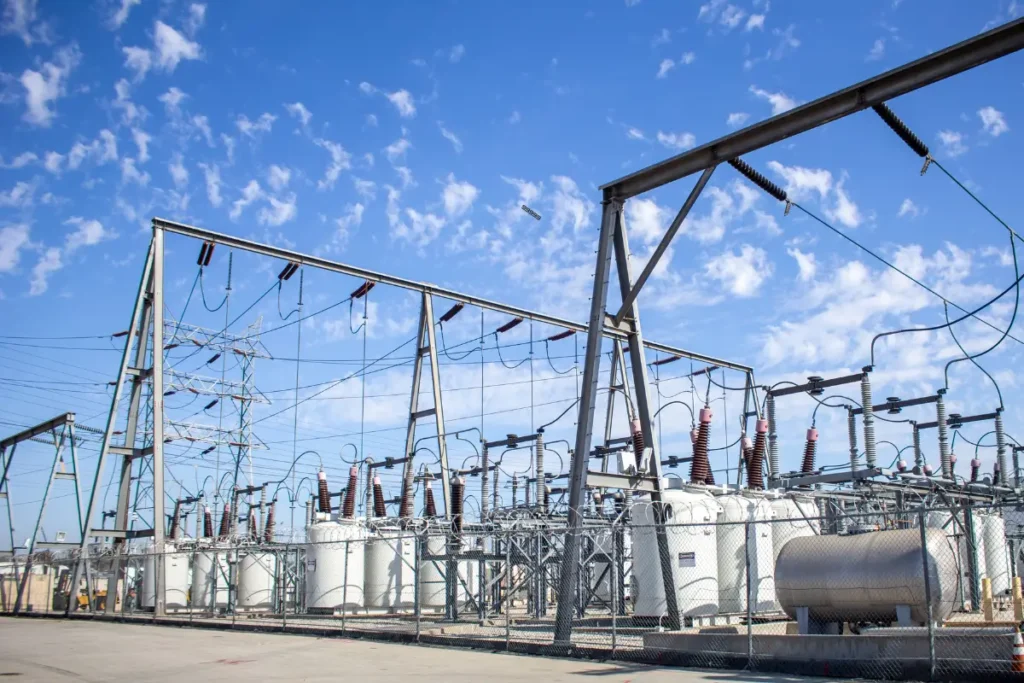
How to Improve Power Grid Stability
Improving grid stability involves a multi-faceted approach. Here are several methods that can help:
- Smart Grid Technologies
Smart grids use advanced metering, real-time monitoring, and predictive analytics to improve grid stability. These technologies enable grid operators to detect potential issues before they escalate, automatically adjust power flow, and optimize energy distribution. Smart grid energy storage is also an essential component, allowing for quick responses to power fluctuations. For example, the use of microgrid solutions can enhance resilience by isolating and managing smaller, local grids when the main grid is under stress. This localized control can help prevent widespread failures. - Energy Storage Solutions
Large-scale battery storage for grid stability is one of the most effective ways to address fluctuations in power supply and demand. Energy storage systems, such as lithium-ion batteries and flywheels, can absorb excess power during low-demand periods and release it during high-demand periods, helping to stabilize the grid. One notable advancement in energy storage involves supercapacitors, which are designed to release energy quickly when needed. This can be particularly useful for managing sudden changes in demand, such as during power surges. Supercapacitor vs. battery storage solutions are often compared for peak shaving to understand which technology performs better under specific conditions. - Grid Modernization
Upgrading grid infrastructure is critical for improving stability. Grid infrastructure upgrades involve replacing outdated equipment, enhancing transmission lines, and implementing fault-tolerant systems that can quickly detect and isolate problems, reducing the risk of widespread outages. - Demand Response Programs
Managing energy consumption is key to balancing grid load. Demand-side energy management allows businesses to reduce their energy consumption during peak hours in exchange for incentives. This helps maintain stability by lowering demand when the grid is under stress. - Decentralized Energy Resources (DERs)
Incorporating microgrid technology for stability and distributed solar systems can reduce the strain on the main grid by generating power locally. Microgrids, especially when paired with energy storage systems, provide greater flexibility and reliability for businesses operating in remote areas or with specialized energy needs.
Benefits of a Stable Power Grid for Business Operations
A stable power grid offers several key benefits for businesses:
- Cost Savings: A stable grid minimizes downtime, helping companies avoid costly production interruptions. It also reduces energy waste, making operations more energy-efficient.
- Enhanced Reliability: With consistent power, businesses can ensure that their critical operations, such as telecom services or manufacturing, run smoothly without interruptions.
- Sustainability: A stable grid supports the integration of renewable energy sources, allowing businesses to meet their sustainability goals while ensuring reliable energy supply.
Types of Energy Storage Solutions for Power Grid Stability
Various energy storage solutions can help improve grid stability. Some of the most effective options include:
- Battery Storage Systems: Lithium-ion, sodium-ion, and flow batteries are commonly used to store excess energy and release it during high-demand periods.
- Flywheels and Supercapacitors: These systems are used for quick-response applications, absorbing short bursts of energy and releasing it when needed.
- Pumped Hydro Storage: A large-scale energy storage solution that uses gravitational potential energy by moving water between reservoirs.
- Compressed Air Energy Storage: This system stores energy in the form of compressed air, which is released to generate power when required.
Challenges in Improving Power Grid Stability
While improving grid stability is crucial, there are challenges to overcome:
- Infrastructure Costs: Upgrading grid infrastructure requires significant capital investment, which can be a barrier for many businesses.
- Integration with Renewables: Managing the intermittency of renewable energy sources like solar and wind is a challenge that requires advanced energy storage solutions and grid modernization.
- Regulatory and Policy Barriers: Government regulations can either support or hinder efforts to improve grid stability. Navigating these rules can be complex and time-consuming.
Future Trends in Power Grid Stability
Looking forward, several innovations promise to enhance power grid stability:
- Artificial Intelligence and Machine Learning: These technologies will enable predictive analytics to optimize grid performance and anticipate potential disruptions.
- Blockchain Technology: Blockchain can help ensure transparency and security in grid operations, improving trust and efficiency.
- Energy as a Service (EaaS): Businesses can opt for subscription-based energy management services, providing flexibility and scalability for power grid stability.
Conclusion
How to improve power grid stability is crucial for the smooth operation of businesses, especially those relying on high energy consumption. By investing in smart grid technologies, energy storage solutions, and grid modernization, businesses can enhance their energy efficiency, reduce downtime, and support renewable energy integration. As grid stability continues to evolve, staying ahead of emerging technologies and trends will be key to future-proofing operations and ensuring that businesses remain resilient in an increasingly complex energy landscape.