
Knowing how to avoid EV charger downtime with a charging management system is essential for fleets, industrial sites, and high-demand environments. Downtime can disrupt operations, reduce efficiency, and increase costs, but a robust CMS helps prevent these interruptions by monitoring performance, predicting failures, and optimizing usage. For professionals managing multiple chargers or high-power installations, understanding how to implement and use a CMS is crucial for maintaining EV charging uptime. With the right data, tools, and strategies, you can keep your EV chargers reliable, minimize unexpected downtime, and maximize operational efficiency while preparing for future energy management trends.
What is an EV Charging Management System?
Overview of CMS
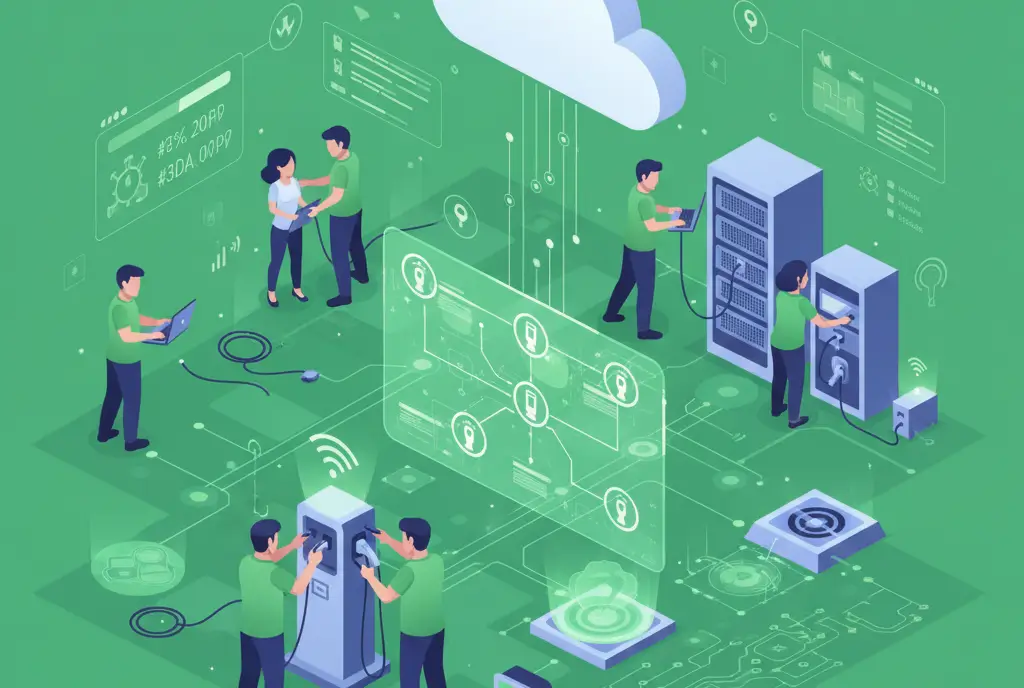
A charging management system is a centralized platform that monitors, controls, and optimizes multiple EV chargers. It serves industrial sites, commercial fleets, and large-scale energy operations by ensuring chargers operate efficiently and safely. For high-demand environments, a CMS is essential for maintaining EV charger reliability, preventing failures, and enabling predictive maintenance.
Key Features
- Remote monitoring: Track performance from any location.
- Load balancing: Prevent overloading circuits and distribute power efficiently.
- Scheduling and prioritization: Assign charging windows based on demand.
- Fault detection and alerts: Identify issues before they cause downtime.
By combining these features, a CMS ensures high availability, reduces maintenance costs, and improves EV charging system maintenance.
Why Charger Downtime Happens
Technical Causes
Charger failures often originate from hardware defects, software glitches, or poor network connectivity. Even high-quality chargers can experience occasional faults if firmware updates are missed or telemetry systems fail.
Operational Causes
High usage, improper maintenance, and extreme environmental conditions like heat, dust, or moisture can accelerate wear and cause unexpected downtime. For fleets, continuous heavy cycles increase stress on chargers.
Impact on Businesses
Downtime reduces productivity, interrupts operations, and can increase operational costs. For commercial fleets or industrial facilities, unreliable chargers may delay critical operations and impact service delivery. Using a CMS proactively addresses these issues, ensuring EV charger uptime and preventing EV charger failure.
Benefits of Using a Charging Management System
Real-Time Monitoring
A CMS provides instant insights into charger performance, detecting anomalies before they escalate.
Predictive Maintenance
By analyzing patterns, a CMS forecasts failures and schedules maintenance proactively, reducing unscheduled downtime.
Load Optimization and Energy Efficiency
Smart scheduling and load balancing prevent overloading circuits and minimize energy costs, linking directly to solutions like Peak Shaving.
Centralized Reporting and Analytics
Comprehensive dashboards consolidate performance metrics, helping managers track usage trends and operational efficiency.
Reduced Downtime and Operational Risks
With monitoring, alerts, and predictive maintenance, organizations can prevent failures, protect assets, and maintain consistent EV charging uptime.
How to Implement a Charging Management System
Assess Current Infrastructure
Review existing chargers, connectivity options, and energy load requirements. Identify integration needs for industrial or fleet environments.
Select a CMS Platform
Evaluate vendors based on features, scalability, support, and EV charger performance monitoring capabilities. Choose platforms compatible with your chargers and future expansion plans.
Installation and Integration
Install hardware and software components, configure networking, and secure telemetry systems. Ensure chargers can communicate with the CMS and provide real-time data.
Staff Training and Protocols
Train operations and maintenance teams on the CMS interface, alerts, and reporting tools. Establish clear maintenance schedules and operational protocols to maintain EV charger reliability.
Monitoring and Managing Charger Performance
Key Metrics to Track
- Uptime and availability
- Fault and error rates
- Energy consumption
Tracking these metrics helps prevent EV charging interruptions and identifies performance trends.
Remote Diagnostics
CMS platforms allow for remote troubleshooting, sending alerts for anomalies or potential failures, enabling technicians to act before downtime occurs.
Predictive Analytics for Proactive Maintenance
Data-driven insights forecast charger wear and energy demand, optimizing maintenance schedules and extending charger life. Predictive systems reduce unscheduled downtime and improve fleet efficiency.
Best Practices to Minimize EV Charger Downtime
Routine Inspections and Maintenance
Regular inspections and cleaning prevent unexpected failures.
Environmental and Safety Controls
Maintain optimal temperature, airflow, and protective enclosures to safeguard chargers.
Scheduling and Load Management
Distribute charging sessions evenly, especially in fleet-heavy environments.
Firmware and Software Updates
Keep chargers and CMS platforms updated to reduce glitches and security risks.
Fleet-Specific Strategies for High-Demand Use
For commercial fleets, implement EV Fleet charging strategies that prioritize uptime and monitor peak usage patterns.
Case Studies and Real-World Examples (150 words)
- Commercial Fleet Deployment: Companies using CMS platforms reduced downtime by 40%, improving fleet scheduling and operations.
- Industrial Site Charging: High-demand industrial sites maintained uninterrupted operations by using predictive analytics and remote monitoring.
- Telecom or Data-Center EV Chargers: Integrating chargers with real-time monitoring systems ensured continuous uptime and prevented costly outages.
Future Trends in Charging Management Systems
AI-Powered Predictive Maintenance
AI enhances failure prediction, analyzing patterns across fleets and locations.
Integration with Smart Grids and V2X
CMS platforms increasingly connect to Microgrid Integration for energy optimization and resilience.
IoT-Connected Charger Networks
IoT connectivity provides real-time monitoring across multiple sites, enabling faster response and analytics.
Blockchain and Secure Energy Transactions
Secure, traceable energy usage and transactions improve operational transparency in industrial deployments.
FAQs
How does a CMS reduce EV charger downtime?
It monitors performance, predicts failures, and schedules maintenance proactively.
Can CMS integrate with existing chargers?
Yes, most modern platforms support legacy chargers with proper communication protocols.
What key metrics should I monitor in a CMS?
Uptime, fault rates, energy consumption, load distribution, and alerts.
How often should predictive maintenance be performed?
Frequency depends on usage patterns, but data-driven analytics determine optimal intervals.
Can CMS handle fast-charging infrastructure?
Yes, platforms are designed to manage high-power chargers safely and efficiently.
Conclusion
Understanding how to avoid EV charger downtime with a charging management system is essential for fleets, industrial operations, and high-demand environments. A CMS provides the tools to monitor performance, predict failures, and optimize energy use. By tracking uptime, fault rates, and load distribution, organizations maintain operational reliability and reduce unexpected disruptions. Following best practices routine inspections, smart scheduling, and predictive maintenance further extends charger life. As IoT integration and smart grids evolve, CMS platforms will become even more critical, ensuring sustainable, efficient, and reliable EV charging for mission-critical applications.