
As energy systems become more complex, the way power is stored, managed, and delivered is changing rapidly. Batteries are no longer simple storage devices. In commercial and industrial environments, they are part of intelligent energy systems that support cost control, reliability, and operational continuity. At the center of this intelligence is a critical component that often determines the success of the entire installation. For facility managers and operations teams, asking what is a battery control module provides the insight needed to evaluate long-term infrastructure planning. This guide explains the function, value, and role of battery control modules in modern energy storage systems, with a focus on performance, safety, and efficiency.
What Is a Battery Control Module?
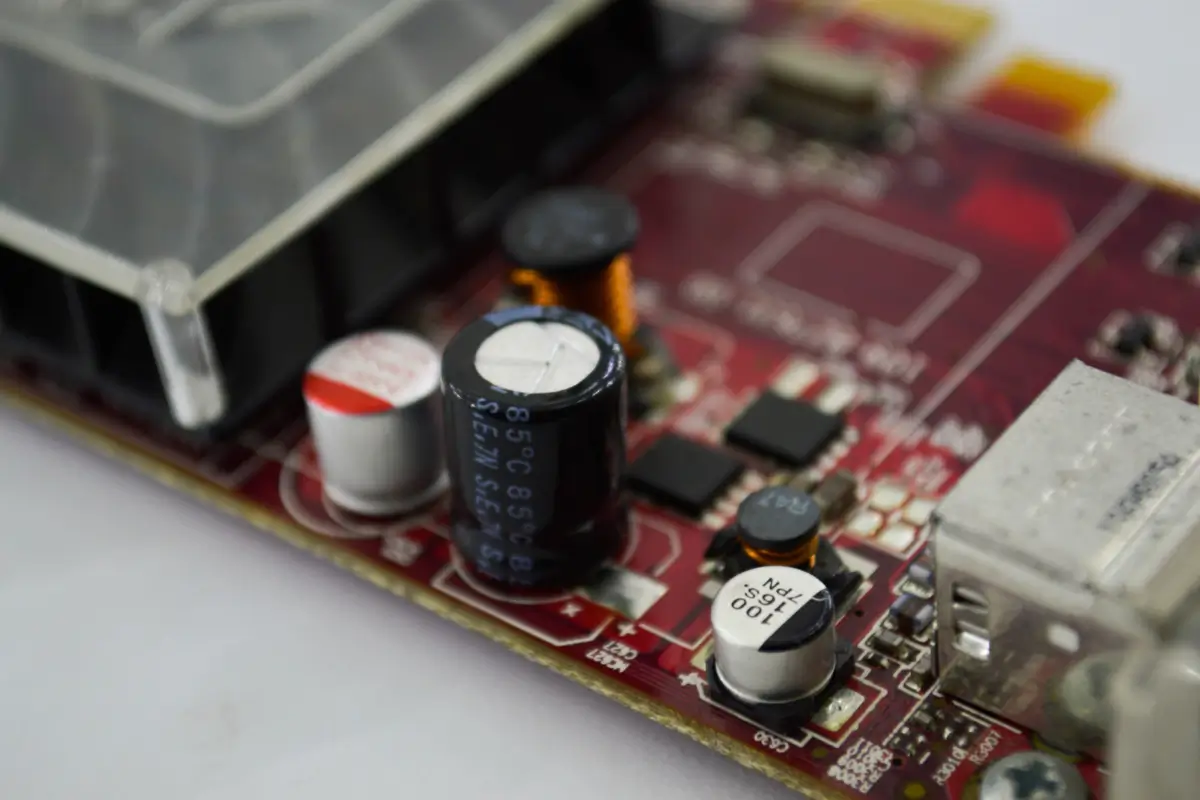
A battery control module is an electronic control unit that monitors, manages, and protects a battery system during charging, discharging, and standby operation. It acts as the decision making layer that ensures the battery operates within safe limits while delivering the required power when needed.
In simple terms, the battery control module is the intelligence that allows energy storage systems to work safely and efficiently in demanding environments. It continuously collects data from the battery and adjusts operation in real time to prevent damage, reduce energy loss, and extend system life.
In commercial and industrial settings, where energy systems support critical operations, the battery control module is not optional. It is a core requirement for reliability.
Why Battery Control Modules Matter in Modern Energy Storage
Battery systems are exposed to constant electrical and thermal stress. Without proper control, batteries degrade quickly, become unsafe, or fail without warning. The battery control module solves this problem by providing active management and protection.
For operations teams, this means fewer failures, lower maintenance costs, and predictable performance. For decision makers, it means better return on investment and reduced operational risk.
Core Functions of a Battery Control Module
A battery control module performs multiple tasks at the same time. Each function plays a role in keeping the system stable, efficient, and safe.
Monitoring Battery Conditions
The module continuously measures:
- Voltage at cell and system level
- Current flowing in and out of the battery
- Temperature across the battery pack
- State of charge
- State of health
This data allows the system to detect problems early and adjust operation before damage occurs. In large installations, this monitoring is essential for predictive maintenance and system optimization.
Protecting the Battery System
Battery protection is one of the most important responsibilities of the control module. It automatically responds to abnormal conditions such as:
- Overcharging
- Over discharging
- Overheating
- Short circuits
- Excessive current
- Internal cell imbalance
When these conditions are detected, the module limits or disconnects power to prevent failure. This protection is critical in high power applications such as peak shaving, backup power, and grid support.
Controlling Charging and Discharging
The battery control module determines how energy flows into and out of the battery. It controls charging rates, discharge limits, and response times based on system conditions and operational needs.
This is especially important in applications where batteries support fast response loads, energy shifting, or backup power. Proper control ensures the battery delivers power when needed without stressing the cells.
Cell Balancing for Long Term Performance
In multi cell battery systems, individual cells do not age at the same rate. Some charge faster while others lag behind. The control module balances these cells so that all cells operate at similar levels.
This balancing process improves:
- Battery lifespan
- Capacity retention
- System reliability
- Energy efficiency
Without balancing, batteries lose usable capacity much faster than expected.
Communication With External Systems
Battery control modules are designed to communicate with other parts of the energy system. They share data with:
- Inverters
- Energy management systems
- Facility monitoring platforms
- Grid interfaces
- Backup power controllers
This communication allows the entire system to operate as one coordinated unit rather than isolated components.
Battery Control Module vs Battery Management System
The terms battery control module and battery management system are often used interchangeably, but they are not identical.
The battery control module is the hardware and core logic responsible for real time control and protection. The battery management system includes the control module plus software, monitoring platforms, communication interfaces, and system level optimization tools.
In advanced storage solutions, the control module is the foundation of the entire management system.
How Battery Control Modules Support Commercial and Industrial Operations
For commercial and industrial users, energy storage is not just about backup power. It is about controlling costs, maintaining uptime, and improving energy efficiency.
Battery control modules make this possible by enabling advanced use cases.
Peak Demand Management
The control module ensures that stored energy is released precisely during peak demand periods. This reduces demand charges and smooths power consumption profiles.
Backup Power Reliability
In critical facilities, power interruptions are unacceptable. The control module ensures instant response when grid power fails, maintaining continuity without delays or voltage drops.
Load Shifting and Energy Optimization
By controlling when energy is stored and released, the module helps facilities use energy when it is most efficient and cost effective.
Integration With Renewable Energy
When paired with solar or other renewable sources, the battery control module manages fluctuations and ensures stable power delivery even when generation changes.
Battery Control Modules in Advanced Energy Storage Technologies
Modern energy storage technologies place even higher demands on control systems. High cycle life, fast charge capabilities, and temperature resilience all require precise management.
Advanced control modules are designed to handle:
- High power charge and discharge cycles
- Rapid response applications
- Long duration operation
- Wide temperature ranges
- Modular and scalable systems
Without proper control, even the most advanced battery technology cannot deliver its full potential.
Safety and Compliance Considerations
In commercial environments, energy storage systems must meet strict safety and operational standards. Battery control modules play a central role in meeting these requirements.
They provide:
- Fault detection
- Emergency shutdown
- Thermal management
- Event logging
- Alarm and notification systems
These features protect personnel, equipment, and facilities while supporting regulatory compliance.
Data and Insights for Energy Professionals
Modern battery control modules do more than protect batteries. They generate valuable data that helps professionals make better decisions.
This data supports:
- Energy optimization strategies
- Predictive maintenance
- Performance analysis
- Capacity planning
- System upgrades
For operations teams, this visibility turns energy storage from a black box into a controllable asset.
The Role of Battery Control Modules in Grid Resilience
As grids become more decentralized and dynamic, energy storage systems play a key role in stabilizing supply and demand. Battery control modules enable fast response and accurate power delivery during grid disturbances.
They help maintain:
- Voltage stability
- Frequency control
- Power quality
- Local grid support
This capability is increasingly important for facilities that depend on continuous power for operations.
Choosing the Right Battery Control Module
Not all control modules are created equal. When evaluating energy storage systems, professionals should consider the quality of the control architecture as carefully as the battery itself.
Key factors include:
- Accuracy of monitoring
- Speed of response
- Communication capabilities
- Scalability
- Software integration
- Proven reliability
A high quality control module ensures the storage system delivers long term value rather than short term performance.
Battery Control Modules and Long Term Cost Savings
While the control module is a small part of the overall system cost, it has a major impact on total ownership cost. Better control reduces degradation, extends lifespan, and minimizes downtime.
Over the life of the system, this translates into:
- Lower maintenance expenses
- Fewer replacements
- More usable energy
- Better financial performance
Future of Battery Control Modules
As energy storage systems evolve, battery control modules are becoming more intelligent. Integration with AI, predictive analytics, and advanced energy management platforms is already changing how batteries are used.
Future control systems will:
- Predict failures before they occur
- Optimize energy usage automatically
- Adapt to changing operational conditions
- Support more flexible energy strategies
For energy professionals, this means storage systems that are not just reliable, but strategic assets.
How Nexcap Energy Designs Battery Control for Performance
At Nexcap Energy, battery control is treated as a core engineering discipline, not an afterthought. Our energy storage systems are built with advanced control modules designed for demanding commercial and industrial applications.
These systems deliver:
- Fast response power
- Long cycle life
- Reliable operation in harsh conditions
- Seamless system integration
- Long term operational stability
By combining advanced control architecture with next generation storage technology, we ensure our solutions deliver consistent performance where reliability matters most.
Final Thoughts
Understanding what is a battery control module gives energy professionals a clearer view of how modern energy storage systems deliver performance, safety, and reliability. It is the component that transforms batteries from simple storage units into intelligent energy assets. For facilities focused on efficiency, cost control, and resilience, the quality of the battery control module is just as important as the battery itself. Ultimately, knowing what is a battery control module ensures that decision-makers prioritize advanced control architecture, securing energy storage that delivers value for years, not just months.