
Industrial power demands are changing fast. Systems are no longer judged only by how much energy they store, but by how quickly and reliably they deliver it. From sudden load spikes to instant backup needs, many industrial operations require power that responds in milliseconds, not minutes. This is where supercapacitor energy storage stands apart.
Unlike traditional storage methods, supercapacitors are built for speed, durability, and high-power output. They act less like fuel tanks and more like shock absorbers handling bursts of energy exactly when systems need it most. As industries move toward smarter, more resilient infrastructure, supercapacitors are becoming a key piece of the puzzle.
What Is Supercapacitor Energy Storage?
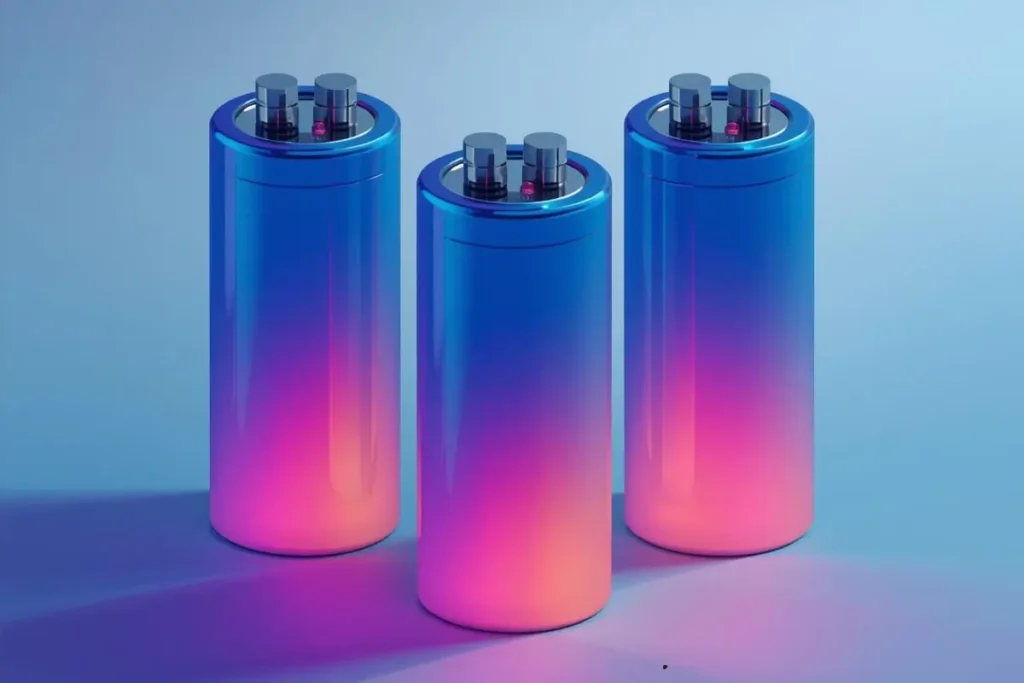
Supercapacitor energy storage is a technology designed to store and release energy extremely fast. Instead of relying on chemical reactions like batteries, supercapacitors store energy electrostatically. This allows them to charge and discharge in seconds or even milliseconds without damage.
A supercapacitor energy storage system is typically used where high power is needed for short durations. Think of them as energy sprinters rather than marathon runners. They may not store energy for hours, but they excel at handling rapid energy bursts, voltage stabilization, and instant backup.
Modern systems, especially those based on advanced materials, are pushing performance even further. Developments in supercapacitor technology are improving energy density while maintaining the speed and reliability industries depend on. This makes supercapacitors an increasingly practical solution for demanding industrial environments.
Why High-Power Industrial Applications Need Fast Energy Storage
Many industrial systems don’t fail because of long power outages they fail because of brief interruptions or sudden load changes. A voltage dip lasting less than a second can shut down equipment, disrupt operations, or damage sensitive electronics.
High-power industrial environments need fast response energy storage to smooth these moments. Whether it’s a surge from heavy machinery starting up or a rapid switch between power sources, speed matters more than capacity.
Traditional batteries react too slowly for these situations. They’re better suited for sustained energy delivery, not instant response. Supercapacitors fill this gap perfectly. They absorb spikes, deliver immediate power, and stabilize systems before problems occur.
This capability is critical in industries that rely on automation, continuous processes, or real-time data systems. Fast energy storage isn’t just a performance upgrade it’s a form of insurance against downtime, inefficiency, and unexpected failures.
How Supercapacitors Work Compared to Traditional Batteries
Understanding the difference between supercapacitor vs battery systems helps explain why each plays a different role in industrial power storage.
Energy Storage Mechanism Explained Simply
Batteries store energy through chemical reactions. Every charge and discharge slightly wears them down. Supercapacitors, on the other hand, store energy by separating electrical charges on surfaces. No chemistry, no slow reactions. This simple mechanism allows energy to move in and out almost instantly, with far less stress on the system.
Charge and Discharge Speed Differences
A battery might take minutes or hours to fully charge. A supercapacitor can charge in seconds. More importantly, it can release power immediately at full strength. This makes supercapacitors ideal for applications where power demand changes quickly or unpredictably. In high-power scenarios, speed isn’t a luxury it’s a requirement.
Lifecycle and Durability Comparison
Most batteries degrade after a few thousand cycles. Supercapacitors can handle hundreds of thousands, even millions, of cycles with minimal performance loss. This durability makes them well-suited for industrial energy storage solutions that face constant charge and discharge events throughout the day.
Key Benefits of Supercapacitor Energy Storage for Industry
Ultra-Fast Response and High Power Density
Supercapacitors deliver power almost instantly. Their high power density allows them to handle sharp spikes without stress. This makes them ideal for industrial power storage where milliseconds matter and equipment must stay protected from sudden electrical changes.
Long Cycle Life and Low Maintenance
Because supercapacitors don’t rely on chemical reactions, they degrade much more slowly. This means fewer replacements, lower maintenance costs, and higher system uptime. Over time, this reliability can significantly reduce operational headaches.
High Efficiency in Repetitive Load Cycles
Industries with frequent start-stop cycles benefit greatly from supercapacitor energy storage systems. They handle repetitive energy bursts efficiently, without overheating or capacity loss, making them perfect for automation-heavy environments.
Improved System Reliability and Safety
Supercapacitors operate safely across wide temperature ranges and are less prone to thermal runaway. This adds an extra layer of safety and reliability, especially in harsh or remote industrial settings.
Limitations of Supercapacitors and How They Are Addressed
Supercapacitors are not a one-size-fits-all solution. Their main limitation is lower energy density compared to batteries. They store less energy over long periods, which makes them unsuitable as standalone solutions for extended backup.
However, this limitation is often misunderstood. Supercapacitors are not meant to replace batteries they are meant to complement them. In applications where short, powerful bursts matter more than long-duration supply, their advantages far outweigh their drawbacks.
Advances in materials, including graphene-based designs, are steadily improving energy density. Smarter system designs also ensure supercapacitors are used exactly where they perform best. When deployed correctly, their limitations become manageable and often irrelevant.
Hybrid Energy Storage Systems: Combining Supercapacitors and Batteries
Why Hybrid Systems Work Better for Industrial Loads
Hybrid systems combine the speed of supercapacitors with the endurance of batteries. Supercapacitors handle sudden spikes, while battery systems provide sustained energy. This division of labor creates a more balanced and resilient energy storage setup.
Power vs Energy Optimization in Hybrid Designs
By separating power delivery from energy storage, hybrid systems optimize both. Supercapacitors manage high power demands, while batteries operate under smoother conditions. This improves overall system efficiency and performance.
Extending Battery Life with Supercapacitors
When supercapacitors absorb spikes, batteries experience less stress. This significantly extends battery lifespan, reduces replacement costs, and improves return on investment for industrial energy storage solutions.
Industrial Use Cases for Supercapacitor Energy Storage
Grid Support and Power Quality Applications
Supercapacitors help stabilize voltage, smooth frequency fluctuations, and support grid operations during transient events. They act as buffers, improving overall power quality and reducing strain on infrastructure.
Telecom Backup Power and Fast Switching
In telecom backup applications, milliseconds matter. Supercapacitors enable instant switchover during outages, preventing dropped connections and equipment resets while backup generators or batteries come online.
EV Charging Infrastructure and Fleet Operations
High-power EV charging creates sudden demand spikes. Supercapacitors absorb these spikes, reduce grid stress, and improve charging efficiency especially in fleet depots and fast-charging hubs.
Microgrids and Off-Grid Industrial Systems
In industrial microgrids and remote off-grid systems, supercapacitors manage rapid load changes, support renewables, and improve system resilience where reliability is critical.
Role of Supercapacitors in Renewable Energy Integration
Renewable energy sources like solar and wind are powerful but unpredictable. Their output changes constantly, creating challenges for industrial systems that require stable power.
Supercapacitor energy storage plays a key role in smoothing these fluctuations. When renewable output spikes or drops suddenly, supercapacitors respond instantly, filling gaps or absorbing excess energy. This keeps systems stable without overworking batteries or generators.
In renewable-heavy setups, supercapacitors act as the first line of defense. They handle short-term variability, allowing other storage systems to operate more efficiently. This leads to better energy utilization, improved system life, and higher overall reliability.
As industries push toward cleaner energy, supercapacitors help bridge the gap between renewable generation and real-world power demands.
How to Choose Supercapacitor Energy Storage for Industrial Systems
Assessing Power Demand and Load Profiles
Start by analyzing how your system uses power. Look for sudden spikes, frequent cycling, and short-duration high loads. These patterns indicate strong candidates for supercapacitor integration.
Evaluating System Scalability and Integration Needs
Choose systems that scale easily and integrate with existing infrastructure. Modular designs allow future expansion without major redesigns.
Understanding Total Cost of Ownership
While upfront costs may be higher, long lifespan, low maintenance, and improved efficiency often make supercapacitors more cost-effective over time.
Scalability and Sustainability Benefits of Supercapacitor Storage
Supercapacitors support scalable, future-ready infrastructure. Their modular nature allows systems to grow alongside operational needs. From a sustainability perspective, their long lifespan and high efficiency reduce waste and resource consumption.
They also pair well with renewable energy, helping industries meet sustainability goals without sacrificing performance. This combination of scalability and environmental responsibility makes supercapacitors a smart long-term investment.
Conclusion
Supercapacitor energy storage is not about replacing existing systems it’s about making them better. By delivering instant power, absorbing stress, and improving reliability, supercapacitors solve problems traditional storage cannot.
For high-power industrial applications, speed, durability, and efficiency matter more than ever. Supercapacitors provide exactly that. As industries evolve toward smarter, cleaner, and more resilient power systems, supercapacitors are no longer optional they’re essential.
The future of industrial energy isn’t just about storing more power. It’s about delivering the right power, at the right moment. And that’s where supercapacitors truly shine.