
Electricity demand is growing faster than ever, while power systems are becoming more complex. Renewable energy, electric vehicles, digital infrastructure, and always-on connectivity are pushing traditional grids to their limits. To keep everything running smoothly, the power grid needs more than just generation it needs intelligence and flexibility. This is where Grid-Scale Energy Storage and Smart Power Management come into play. Together, they act like a shock absorber and a traffic controller for electricity, storing energy when it’s abundant and directing it where and when it’s needed most. As grids evolve, these technologies are no longer optional they are essential.
What Is Grid-Scale Energy Storage?
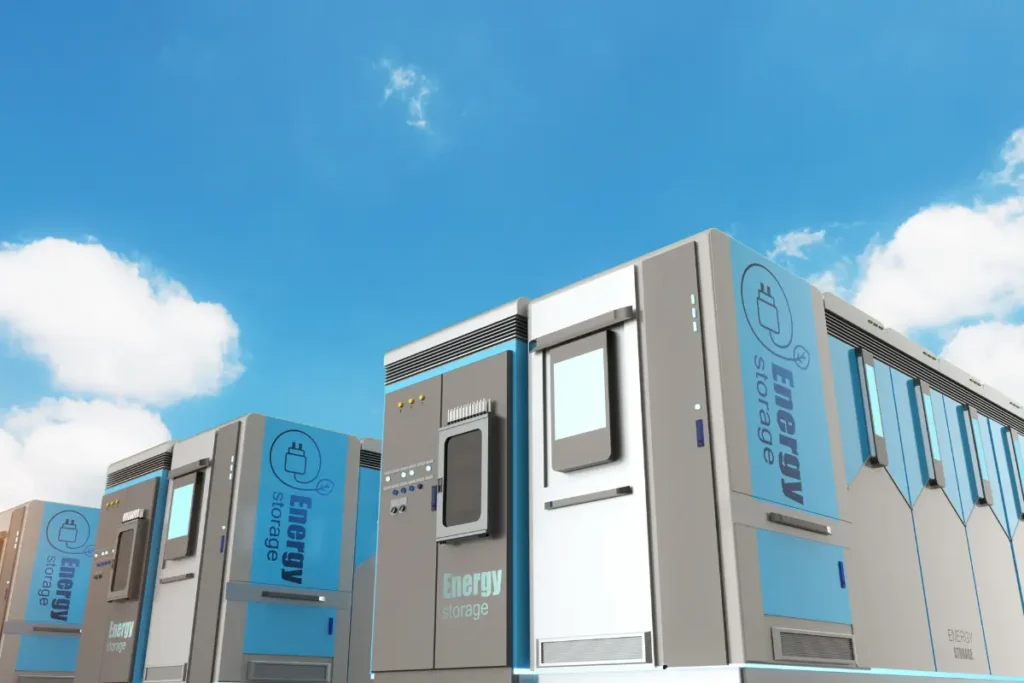
Grid-scale energy storage refers to large systems that store electricity and release it back into the grid when required. Unlike small batteries used in homes, grid scale energy storage systems support entire networks, balancing supply and demand across cities, industries, and critical infrastructure. These systems help utilities manage peak loads, smooth out fluctuations, and maintain reliable power delivery. In simple terms, they allow the grid to “save energy for later,” much like a water tank stores water for times of high use.
Why Grid-Scale Energy Storage Is Becoming Critical
Power grids were originally built for predictable, one-way energy flow. Today, that model no longer works. Renewable sources like solar and wind are variable, energy demand is rising, and outages are more costly than ever. Energy storage for power grid operations fills this gap by adding flexibility. It ensures energy is available during peak demand, protects against blackouts, and supports the transition to cleaner energy. Without large scale energy storage, modern grids would struggle to keep up with today’s dynamic energy needs.
Key Challenges Facing Modern Power Grids
Rising Energy Demand and Peak Loads
As industries expand and EV adoption increases, peak demand periods are becoming more intense. Meeting these short bursts of demand with generation alone is expensive and inefficient. Power grid energy storage helps shave these peaks by supplying stored energy exactly when demand spikes.
Intermittency of Renewable Energy Sources
Solar panels don’t work at night, and wind doesn’t always blow. This unpredictability creates gaps between energy production and consumption. Grid energy storage solutions bridge this gap, storing excess renewable energy and releasing it when generation drops.
Grid Stability and Power Quality Issues
Voltage drops, frequency fluctuations, and short outages can damage sensitive equipment. Storage systems respond instantly, stabilizing the grid and protecting critical operations from disruptions.
Types of Grid-Scale Energy Storage Technologies
Battery Energy Storage Systems (BESS)
BESS are the most widely used utility scale energy storage solutions today. They are flexible, scalable, and fast to deploy. Modern designs, including high-voltage energy storage systems, support grid balancing, peak shaving, and backup power across industrial and utility applications.
Supercapacitor and Hybrid Storage Systems
Supercapacitors excel at delivering quick bursts of power. When combined with batteries in hybrid setups, they handle rapid charge-discharge cycles while extending battery life. These systems are ideal for applications that demand instant response.
Mechanical and Thermal Storage Solutions
Technologies like pumped hydro, compressed air, and thermal storage store energy in physical forms. While location-dependent, they play a role in long-duration grid scale energy storage where space and geography allow.
Emerging and Next-Generation Storage Technologies
Innovation is moving fast. Advanced materials, graphene-based systems, and hybrid architectures are redefining what’s possible. These developments represent the true future of energy storage, offering higher efficiency, longer life, and faster response for next-generation grids.
What Is Smart Power Management?
Smart power management is the brain behind modern energy systems. It uses software, sensors, and automation to monitor energy flow, predict demand, and control storage and distribution in real time. Think of it as an air traffic control system for electricity ensuring power moves safely, efficiently, and without congestion.
How Smart Power Management Works with Energy Storage
Real-Time Monitoring and Control
Sensors track voltage, frequency, and load conditions continuously. This data allows systems to react instantly, dispatching stored energy when needed.
Load Forecasting and Demand Response
Using historical data and predictive models, smart systems anticipate demand changes. Storage is charged or discharged proactively, reducing strain on the grid.
Automated Energy Dispatch and Optimization
Automation removes guesswork. Energy is delivered where it creates the most value whether that’s stabilizing the grid, lowering costs, or supporting renewables.
Benefits of Grid-Scale Energy Storage with Smart Power Management
Improved Grid Reliability and Stability
Together, storage and smart controls act as a safety net, reducing outages and maintaining consistent power quality.
Better Renewable Energy Integration
Storage makes renewables dependable. Systems like off-grid solar systems show how stored solar energy can power operations even when sunlight isn’t available.
Reduced Operational and Energy Costs
By cutting peak demand charges and optimizing energy use, smart storage lowers long-term operating costs.
Enhanced Power Quality for Critical Infrastructure
Fast-response systems protect sensitive equipment in sectors where even a second of downtime is unacceptable.
Use Cases Across Energy and Infrastructure Sectors
Utility-Scale Renewable Power Plants
Storage smooths output, ensuring renewable plants deliver stable power to the grid.
Telecom and Data Center Backup Power Systems
Instant backup prevents service interruptions, protecting networks and data.
EV Charging Networks and Fleets
Energy storage reduces grid stress during fast charging and enables efficient load management.
Microgrids and Off-Grid Power Systems
Integrated storage supports resilient microgrids & renewable energy setups and reliable off-grid power systems in remote or critical locations.
Role of Fast-Response Energy Storage in Future Grids
Speed matters. As grids become more dynamic, fast-response storage will play a larger role in frequency regulation, voltage support, and real-time balancing. These systems act like reflexes responding in milliseconds to keep the grid stable.
How Grid Operators and Industries Can Prepare for the Future
Assessing Grid and Power System Needs
Understanding load patterns and risk areas is the first step toward effective storage deployment. Regular system audits and predictive analysis help identify weak points and optimize energy distribution.
Choosing the Right Energy Storage Technology
No single solution fits all. The right mix depends on response time, duration, and scalability needs. Evaluating performance, lifecycle costs, and compatibility with existing infrastructure ensures long-term efficiency.
Integrating Smart Power Management Platforms
Software integration unlocks the full value of grid scale energy storage systems, turning hardware into a smart, adaptive asset. This also enables real-time monitoring, predictive maintenance, and seamless coordination with renewable sources.
Scalability and Sustainability in Grid-Scale Energy Storage
Future systems must grow without waste. Modular designs and long-life technologies support expansion while reducing environmental impact. Sustainability isn’t just about clean energy it’s about efficient, durable systems that last.
Future Trends in Grid-Scale Energy Storage and Smart Power Management
AI-Driven Energy Management Systems
Artificial intelligence will refine forecasting, optimization, and fault detection, making grids smarter and more resilient.
Hybrid Storage Architectures
Combining batteries, supercapacitors, and other technologies delivers the best of all worlds speed, capacity, and longevity.
Conclusion
The future grid isn’t just bigger it’s smarter and more adaptable. Grid-Scale Energy Storage and Smart Power Management work together to create power systems that are flexible, reliable, and built for real-world demands. As energy use continues to rise and renewable sources become a larger part of the mix, these technologies will shape the backbone of resilient power networks. By investing in smarter storage and control today, energy leaders can build grids that don’t just handle change but grow stronger because of it.