
Electric vehicles and ebikes are no longer niche products. They are becoming a practical choice for daily commuting, delivery services, and personal transportation across the United States. As adoption grows, attention often goes to motors, speed, and charging infrastructure. Yet the real foundation of electric mobility lies in the battery system that powers it.
Reliable energy storage is essential for consistent performance, predictable range, and long-term usability. This is where deep cycle batteries for electric vehicles and ebikes play a central role. Unlike conventional batteries designed for short bursts of power, deep cycle batteries are built to deliver steady energy over extended periods while handling repeated charge and discharge cycles.
By supporting efficient energy use, longer battery life, and dependable power delivery, deep cycle batteries have become a critical component of modern electric mobility solutions.
What Are Deep Cycle Batteries?
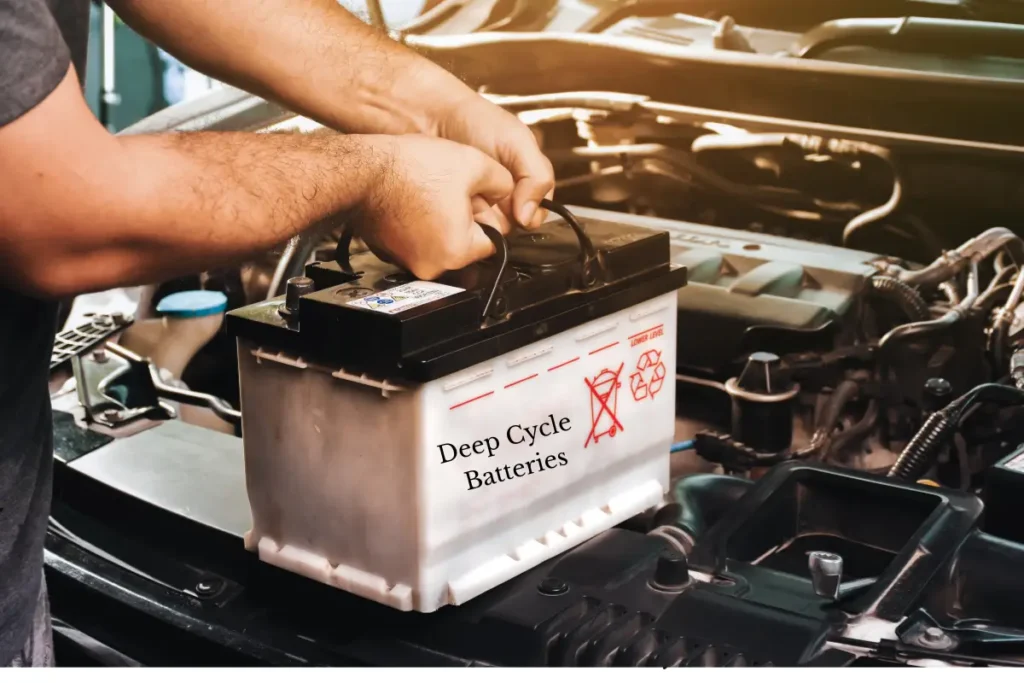
Deep cycle batteries are specialized energy storage systems designed for long-lasting power, making them ideal for electric vehicles (EVs) and ebikes. Unlike traditional starter batteries, which release a quick burst of energy, deep cycle batteries deliver a steady voltage over extended periods of use. These batteries are built to withstand numerous charge and discharge cycles without significant performance loss, making them a reliable choice for continuous energy demands.
Common types include lead-acid batteries, known for their cost-effectiveness, and lithium-ion batteries, which offer lighter weight, faster recharging, and superior energy density. For EVs and ebikes, lithium-ion batteries are favored due to their higher efficiency, durability, and performance. Key features include depth of discharge, which dictates the safe amount of energy usage before recharging, and thermal stability, ensuring the battery performs well across varying temperatures.
How Deep Cycle Batteries Work in Electric Vehicles
Deep cycle batteries are essential for electric vehicles, storing energy from the grid or regenerative braking and releasing it gradually to power motors and electronics. Unlike standard batteries, they handle deep discharges without losing efficiency, extending lifespan and reducing replacement costs. High-energy-density models enable longer drives, while stable current delivery under varying loads ensures smooth performance. When paired with a battery management system, they offer enhanced safety, efficiency, and reliability for EVs.
Importance of Deep Cycle Batteries for Ebikes
Deep cycle batteries are vital for ebikes, ensuring steady energy delivery for smooth rides, reliable acceleration, and consistent motor performance. Unlike standard starter batteries, they handle repeated full or partial discharges, making them ideal for commuting, long trips, and off-road adventures. Lightweight lithium-ion designs provide high energy density, extending range without adding bulk. With hundreds of efficient charging cycles, these batteries maintain capacity over time, enhancing durability, reducing replacements, and ensuring reliable, long-lasting performance for all riding conditions.
Key Benefits of Deep Cycle Batteries for Electric Vehicles and Ebikes
Deep cycle batteries provide long-lasting, reliable power for electric vehicles and ebikes. They handle repeated deep discharges, maintaining capacity and efficiency over hundreds of cycles, which reduces replacements and ownership costs. Delivering steady voltage under varying loads, they ensure smooth acceleration, stable electronics, and extended range. Lightweight lithium designs maximize efficiency, durability, and environmental sustainability, making them essential for high-performance, eco-friendly electric mobility.
Types of Deep Cycle Batteries in EVs and Ebikes
Choosing the right deep cycle battery is crucial for maximizing performance, durability, and range in electric vehicles and ebikes. The most common types are lithium-ion and lead-acid, each offering unique advantages.
Lithium-Ion Batteries
Lithium-ion deep cycle batteries are favored in EVs and high-end ebikes due to their high energy density, lightweight design, and long cycle life. They enable longer distances per charge without adding significant weight, enhancing handling and efficiency. These batteries also support faster charging and maintain consistent power output, even under repeated deep discharges, making them ideal for demanding daily use or long-distance rides.
Lead-Acid Batteries
Lead-acid deep cycle batteries, including absorbed glass mat (AGM) and gel types, are more affordable and widely available. Though heavier and with lower energy density than lithium-ion, they are robust and reliable, performing well in applications where cost and durability are key. They provide sufficient depth of discharge for moderate EV and ebike use.
Choosing the Right Battery
Understanding the trade-offs between lithium-ion and lead-acid batteries helps riders and manufacturers select the best solution. Factors such as cycle life, capacity, weight, and thermal stability should guide decisions to ensure optimal integration into electric mobility systems.
Choosing the Right Deep Cycle Battery for Your EV or Ebike
Selecting the right deep cycle battery depends on capacity, chemistry, and compatibility. Higher capacity batteries offer longer range but may add weight. Lithium-ion batteries are ideal for high-performance EVs and ebikes due to their light weight and long cycle life, while lead-acid options are cost-effective and durable. A battery management system (BMS) ensures safety, efficiency, and consistent energy output, maximizing performance and lifespan.
The Future of Deep Cycle Batteries in Electric Mobility
Advancements in Battery Technology
The future of deep cycle batteries in electric vehicles and ebikes is driven by higher energy density, longer cycle life, and improved thermal stability. These improvements will enable EVs and ebikes to travel farther on a single charge without increasing weight, enhancing both efficiency and handling.
Sustainable and Next-Generation Solutions
Recyclable materials and next-generation lithium chemistries are gaining momentum, offering better efficiency, reliability, and environmental sustainability. Hybrid systems combining deep cycle batteries with supercapacitors are also emerging, providing rapid energy bursts for acceleration while preserving long-term battery health.
Shaping the Future of Electric Mobility
As electric mobility grows in the USA and worldwide, deep cycle batteries will remain central to reliable, efficient, and sustainable power. These innovations are set to define the next generation of high-performance EVs and ebikes, making electric transportation cleaner, longer-lasting, and more accessible for all riders.
FAQs
What makes deep cycle batteries ideal for electric vehicles and ebikes?
Deep cycle batteries are designed to handle repeated charge and discharge cycles while providing steady, reliable power. This makes them perfect for EVs and ebikes, which require consistent energy output for motors and electronics throughout the ride.
How long do deep cycle batteries last in EVs and ebikes?
Battery lifespan depends on chemistry, usage patterns, and maintenance. Lithium-ion deep cycle batteries typically last 5–10 years or more, while lead-acid variants have a shorter lifespan, around 3–5 years with proper care.
Are lithium deep cycle batteries better than lead-acid batteries?
Yes. Lithium batteries offer higher energy density, lighter weight, longer cycle life, and faster charging. Lead-acid batteries are more affordable and durable but are heavier and less efficient, making them suitable for moderate-use applications.
Can deep cycle batteries improve EV and ebike range?
Absolutely. Efficient energy storage and steady power delivery ensure that more of the battery’s capacity is usable, extending the vehicle’s range and supporting consistent performance even under varying loads.
How can I extend the life of my deep cycle battery?
To prolong battery life: avoid deep over-discharge, follow proper charging routines, maintain moderate storage temperatures, and use a battery management system (BMS) to monitor voltage and thermal conditions. Regular maintenance ensures long-term efficiency and reliability.
Conclusion
Deep cycle batteries for electric vehicles and ebikes are more than just a power source they are the foundation of reliable, efficient, and sustainable electric mobility. By providing consistent energy output, supporting repeated charge cycles, and offering long-term durability, these batteries ensure smooth performance for both EVs and ebikes.
Choosing the right battery, maintaining proper charging practices, and understanding battery chemistry can significantly enhance lifespan and efficiency. As technology advances, deep cycle batteries will continue to play a pivotal role in extending range, improving reliability, and promoting environmentally responsible transportation solutions across the word.
With the right deep cycle battery, riders and manufacturers alike can enjoy the full benefits of modern electric mobility longer rides, dependable power, and a cleaner, sustainable future.