
Solar energy is becoming a cornerstone of modern energy solutions. As renewable energy technologies advance, more companies and individuals are adopting solar power systems, including both Off Grid and On Grid Solar Systems: Key Differences & Benefits for residential and industrial uses. In this article, we will delve into the two primary types of solar systems: off-grid solar systems and on-grid solar systems. Understanding their unique features will help decision-makers in industries like telecom, EV-fleets, and industrial power choose the right system to meet their energy demands.
What is an On-Grid Solar System?
An on-grid solar system is directly connected to the public electricity grid. Essentially, it allows you to generate electricity from the sun while still relying on the grid for backup power. Here’s how it works:
- Key Characteristics: On-grid solar systems consist of solar panels, inverters, and a meter that tracks the energy produced and consumed. They are designed to send any excess energy back to the grid, which is where the concept of “net metering” comes in.
- Connection to the Grid: The system is connected to the public grid, which means you can use grid power when solar production is insufficient. During sunny days, excess electricity can be fed back into the grid, reducing your electricity bill and earning you credits.
This system is ideal for locations where the grid is reliable, and the primary focus is on minimizing energy costs while remaining connected to the local infrastructure.
What is an Off-Grid Solar System?
An off-grid solar system operates completely independent of the public electricity grid. It is designed for remote areas where grid power is unavailable or unreliable.
- Key Characteristics: Off-grid systems are equipped with solar panels, batteries for energy storage, and inverters. The energy generated during the day is stored in batteries for use at night or during cloudy days.
- Independence from the Grid: Since there’s no connection to the grid, all energy needs must be met through the system. This makes off-grid systems perfect for rural locations, remote operations, or areas with unstable or no grid access.
Off-grid solar systems are the ideal solution for people and businesses that need 100% energy independence.
Key Differences Between off grid and on grid solar systems
While both systems rely on solar panels to harness the sun’s energy, they operate in different ways:
- Energy Source Dependency: On-grid systems rely on both solar energy and the grid, whereas off-grid systems are entirely self-sufficient, relying solely on solar power and battery storage.
- Cost Comparison: On-grid systems tend to have lower upfront costs because they don’t require energy storage solutions, which can be expensive. Off-grid systems, on the other hand, have a higher initial investment due to the cost of batteries and other storage equipment.
- Energy Storage Requirements: On-grid systems don’t require significant storage capacity as they draw power from the grid when needed. Off-grid systems, however, require batteries to store energy for later use, which adds to the overall cost and maintenance.
Benefits of On-Grid Solar Systems
On-grid solar systems come with several advantages:
- Cost Efficiency and Savings: On-grid systems are generally more affordable to install, and they allow homeowners and businesses to reduce their electricity bills significantly through net metering.
- Easier Installation and Maintenance: These systems are less complex, requiring fewer components, and can be installed faster with lower maintenance needs.
- Grid Stability and Energy Return: On-grid systems contribute to grid stability by sending excess power back to the grid. This provides a continuous flow of electricity and a reliable backup when needed.
- Incentives and Rebates: Many regions offer incentives, rebates, and tax breaks for on-grid solar installations, making them more financially appealing.
For a deeper dive into how residential solar storage can maximize your energy savings, explore our residential solar storage solutions.
Benefits of Off-Grid Solar Systems
Off-grid solar systems provide distinct advantages, particularly for those in remote or underserved locations:
- Independence from the Power Grid: These systems allow users to generate their own electricity and operate independently of the public grid. This is essential for rural locations where grid access is unavailable.
- Ideal for Remote Locations: Off-grid solar is a practical solution for areas without a reliable connection to the grid, such as remote farms or research stations.
- Potential for 100% Energy Self-Sufficiency: Off-grid solar systems can generate and store enough energy to meet all your needs, eliminating the need for external energy sources.
- Environmental Impact and Sustainability: Off-grid systems help reduce dependency on fossil fuels and contribute to a cleaner, more sustainable environment by utilizing renewable energy.
How to Choose Between an off grid and on grid solar systems
Choosing the right solar system depends on several factors:
- Site Analysis: If your location is well-connected to the grid and reliable, an on-grid system is a practical choice. However, for remote locations with no grid access, an off-grid system is essential.
- Energy Consumption Needs: Evaluate your energy needs. Off-grid systems are ideal for users with stable, predictable energy consumption, while on-grid systems are more flexible.
- Budget and Cost Considerations: On-grid systems are more affordable to install, but off-grid systems may offer more control over energy costs long-term.
- Maintenance and Scalability: Off-grid systems require more maintenance due to the complexity of battery storage, whereas on-grid systems have fewer components to manage and scale.
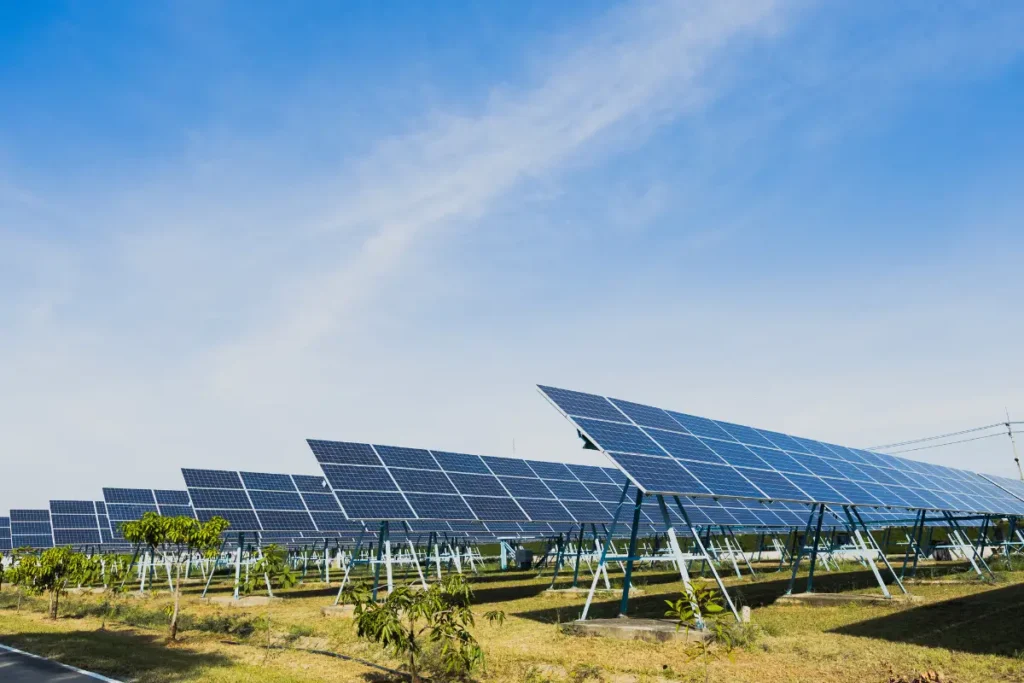
How On-Grid Solar Systems Work
An on-grid solar system is made up of several key components:
- Solar Panels: These capture sunlight and convert it into electricity.
- Inverter: The inverter converts the direct current (DC) from the solar panels into alternating current (AC) for use in homes or businesses.
- Meter: The meter tracks the energy produced and consumed. If excess power is produced, it is sent back to the grid.
The energy produced by solar panels flows directly into the electrical grid through net metering, which credits the user for excess energy returned.
How Off-Grid Solar Systems Work
Off-grid systems rely on solar panels to generate electricity, but with the addition of batteries for storage:
- Energy Storage: Batteries store the energy produced during the day for use during the night or cloudy weather.
- Power Management: Since the system is not connected to the grid, energy management is crucial. Energy usage must be carefully balanced to avoid running out of power during times of low solar production.
To understand how off-grid systems work in more detail, check out our comprehensive guide on off-grid power systems.
Pros and Cons of On-Grid Solar Systems
Pros:
- Affordable installation
- Lower maintenance costs
- Connection to the grid provides backup power
Cons:
- Dependence on the grid for backup
- Limited autonomy
Pros and Cons of Off-Grid Solar Systems
Pros:
- Full autonomy from the grid
- Energy security
- No electricity bills
Cons:
- Higher initial cost
- Ongoing maintenance
- Potential battery degradation
Advanced Technologies for Solar Systems
As solar technology continues to evolve, cutting-edge innovations like graphene supercapacitors are shaping the future of energy storage. These technologies improve the efficiency and longevity of both on-grid and off-grid solar systems, making them more reliable and cost-effective.
Applications of Off-Grid and On-Grid Solar Systems in Industry
- Telecom Industry: Remote telecom stations use off-grid systems to ensure continuous power supply. Explore our telecom backup power solutions for reliable energy systems.
- EV Fleets: On-grid systems are ideal for charging electric vehicle (EV) fleets, particularly in urban areas.
- Industrial Power: Both on-grid and off-grid systems are used for energy management and backup in industrial settings, reducing operational costs and downtime.
Future of Solar Energy: Trends and Innovations
The future of solar energy is bright, with rapid innovations in solar panel technology, energy storage, and grid management. The increasing adoption of graphene supercapacitors and other advanced storage solutions is making solar energy more accessible and efficient.
The push for sustainability will only accelerate, and solar systems will continue to play a major role in achieving energy independence and meeting environmental goals.
Conclusion
Whether you’re considering an Off Grid and On Grid Solar System, understanding the specific needs of your location and business is crucial. On-Grid solar systems are ideal for areas with reliable grid access, while Off-Grid solar systems offer complete independence. With advancements in energy storage and solar technology, Off Grid and On Grid Solar Systems are now more cost-effective, efficient, and scalable than ever before.
As the demand for renewable energy continues to rise, adopting Off Grid and On Grid Solar Systems is not only a smart financial decision but also an investment in a cleaner, more sustainable future