
Reliable power is the foundation of every modern communication network. Whether it’s a busy urban 5G tower, a rural macro site, or an edge node supporting fiber and data services, telecom equipment must stay online every second of the day. Even a brief power interruption can disrupt thousands of users, slow data speeds, break handovers, or impact essential services relying on connectivity. Because of this, telecom operators are under constant pressure to maintain near-perfect uptime while also keeping operational costs under control. Backup power solutions play a critical role in achieving these goals by ensuring that networks remain stable, efficient, and fully functional during outages, fluctuations, or grid failures. As telecom infrastructure grows more complex and energy demands increase, choosing the right backup power solution has become more important than ever for long-term network reliability.
What Are Telecom Backup Power Solutions?
Telecom backup power solutions are energy systems designed to keep network equipment running during grid outages, voltage instability, and maintenance events. These systems prevent downtime for critical assets such as base transceiver stations (BTS), macro towers, small cells, outdoor cabinets, fiber nodes, and data aggregation points.
The primary role of a telecom backup system is to provide seamless, uninterrupted power to sensitive equipment ensuring that communication signals remain stable even when the main supply fails. These systems are used across various telecom environments, including rural macro sites with unstable grids, rooftop urban installations, indoor switching rooms, and remote edge locations. Backup power is essential for maintaining network availability, preventing signal drops, and supporting scalable growth as operators deploy dense 5G networks that rely on consistent power delivery.
Why Telecom Networks Require High Uptime
Telecom operators must maintain extremely high availability, often above 99.99% to deliver reliable service. Even a brief power interruption can cause dropped calls, reduced data speeds, signal instability, and overall degraded network performance. As networks expand and support more users, maintaining uninterrupted power becomes even more critical.
Impact of Power Instability on Operational Costs
In many regions, telecom sites face frequent grid outages, voltage fluctuations, and harsh environmental conditions that strain network equipment. These issues lead to more maintenance visits, increased generator fuel consumption, and higher operational expenses. Robust backup power solutions help minimize these costs, improve energy efficiency, and ensure long-term network resilience.
Key Types of Telecom Backup Power Systems
Telecom operators use a variety of systems to ensure power continuity. The main types include:
VRLA Batteries
Valve-Regulated Lead-Acid (VRLA) batteries have been the traditional choice for telecom backup. They are low-cost but heavier, less efficient, and more sensitive to temperature. VRLA units typically require regular maintenance and have a shorter cycle life compared to modern alternatives.
Lithium-Ion Batteries
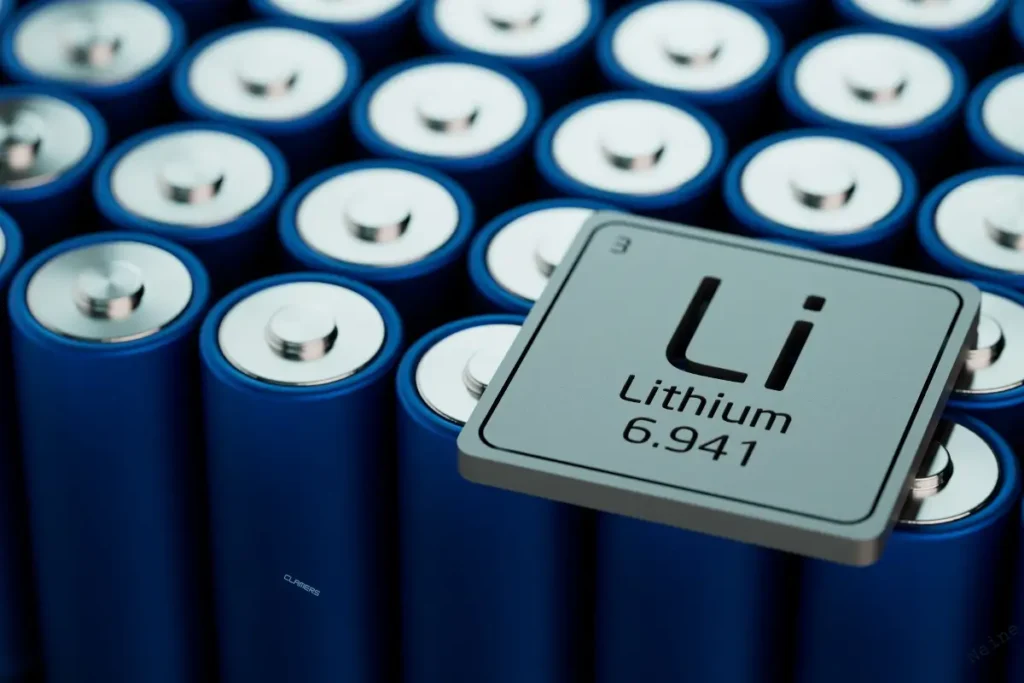
Lithium-ion energy storage systems are becoming the industry standard. They offer higher energy density, faster charging, longer lifespan, and better performance in extreme temperatures. They also support advanced Battery Management Systems (BMS) that enable remote monitoring and predictive maintenance.
Hybrid Power Systems
Hybrid systems combine solar panels, lithium batteries, and diesel generators or even wind energy in some regions. These systems reduce fuel consumption and offer significant long-term savings. Hybrids are ideal for remote sites and regions with unreliable grids.
Fuel Cells
Fuel cells are an emerging option for high-availability telecom installations. They produce electricity through a chemical reaction, offering longer runtimes and lower emissions. However, their adoption is limited due to higher upfront costs and specific maintenance requirements.
VRLA vs. Lithium-Ion Batteries for Telecom
Switching from VRLA to lithium-ion systems is one of the most impactful upgrades for telecom operators. Here’s how the two technologies compare:
Runtime and Performance Differences
Lithium-ion batteries deliver more usable capacity and maintain stable voltage throughout discharge. VRLA batteries degrade faster and experience significant voltage drops under high load.
Temperature Tolerance
Lithium-ion systems perform well in high temperatures, often eliminating the need for extra cooling. VRLA batteries suffer accelerated aging in warm climates, significantly raising maintenance costs.
Cycle Life and Replacement Frequency
Lithium-ion batteries typically last 3–5 times longer than VRLA batteries. This reduces replacement frequency and lowers operational expenses over time.
Total Cost of Ownership (TCO)
While lithium-ion systems cost more upfront, they drastically reduce long-term OPEX due to lower maintenance, longer life, smaller footprint, and improved efficiency. For operators aiming to future-proof their sites, lithium-ion solutions like our high-voltage stackable batteries are now the preferred choice
How to Choose the Right Backup Power Solution
Selecting the ideal backup power system depends on several technical and operational requirements.
Load and Runtime Requirements
Calculate the average and peak loads for your site. Macro towers, indoor switching rooms, and 5G radios all have different runtime needs. Backup systems should provide enough energy to support the longest expected outage.
Physical Constraints
Space limitations, such as rooftop sites or compact outdoor cabinet,s affect system selection. Lithium-ion batteries offer high energy density, making them suitable for installations with tight spaces or strict weight limits.
Remote Monitoring and BMS Features
A modern telecom power system must include intelligent monitoring tools. A good BMS allows real-time analysis of battery health, temperature, charge cycles, and performance. This minimizes maintenance visits and improves network uptime.
Long-Term Expansion and Scalability
As networks evolve to support more equipment like 5G radios or edge computing devices, power needs increase. Modular systems that allow rapid expansion help operators avoid costly redesigns in the future.
Future Trends in Telecom Backup Power
Telecom power systems are evolving rapidly. AI-driven energy management will allow predictive maintenance, more accurate load balancing, and optimized power consumption. Lithium battery innovations, including LFP and solid-state chemistries, will further improve reliability and safety.
Hybrid and renewable-powered telecom sites are becoming more popular, particularly in off-grid regions. Operators are also adopting microgrid-style architectures that combine energy storage, solar, and intelligent controllers to create highly resilient, automated power systems.
These advancements will help telecom operators reduce reliance on diesel generators, lower operational costs, and deliver more reliable service as networks continue expanding.
FAQs
How long should telecom sites run on backup?
Typical runtimes range from 2 to 8 hours depending on site classification and regional power stability.
Which battery type works best in high temperatures?
Lithium-ion, specifically LFP chemistry, performs significantly better than VRLA in hot climates.
Does lithium reduce maintenance costs?
Yes. Lithium systems require minimal maintenance due to longer cycle life and integrated monitoring systems.
Can renewables replace diesel entirely?
In many regions, hybrid systems with solar and lithium storage can significantly reduce or even eliminate diesel usage.
Conclusion
As telecom networks expand and move toward high-density 4G, 5G, and edge architectures, reliable backup power is no longer optional it’s a critical foundation for uninterrupted connectivity. Modern lithium-ion and hybrid energy systems deliver superior performance, lower long-term costs, and greater scalability compared to legacy VRLA solutions. By selecting the right backup power technology and implementing intelligent energy management, telecom operators can future-proof their infrastructure, reduce operational expenses, and ensure network resilience in even the most challenging environments.